.png)
Understanding the Basics of Athlete Safety
- Aug 28, 2025
- 4 min read
Athlete safety is a critical aspect of sports that ensures participants can perform at their best while minimizing the risk of injury. Whether you are a professional athlete, a weekend warrior, or a coach, understanding the fundamentals of athlete safety can make a significant difference in performance and longevity in sports. This article explores key concepts, practical tips, and essential rules to help athletes stay safe and healthy.
The Importance of Athlete Safety in Sports
Athlete safety is more than just avoiding injuries; it encompasses physical, mental, and emotional well-being. Sports can be demanding on the body, and without proper precautions, athletes risk short-term injuries and long-term health issues. Safety measures help maintain peak performance and promote a positive sporting experience.
For example, wearing the correct protective gear such as helmets, mouthguards, and pads can prevent serious injuries in contact sports like rugby or football. Additionally, understanding the limits of your body and avoiding overtraining can reduce the risk of chronic conditions like stress fractures or tendonitis.
Athlete safety also involves proper training techniques. Coaches and trainers play a vital role in teaching correct form and encouraging warm-ups and cool-downs. These practices prepare muscles and joints for activity and aid recovery afterward.

Key Components of Athlete Safety
Several components contribute to comprehensive athlete safety. These include:
Proper Equipment: Using sport-specific gear that fits well and meets safety standards.
Training and Conditioning: Building strength, flexibility, and endurance to handle the physical demands of the sport.
Hydration and Nutrition: Maintaining energy levels and preventing heat-related illnesses.
Rest and Recovery: Allowing the body time to heal and adapt to training stresses.
Mental Health Awareness: Recognizing the psychological pressures athletes face and providing support.
Each of these elements plays a role in reducing injury risk and enhancing overall performance. For instance, hydration is crucial during intense training or competition, especially in hot climates, to prevent heat exhaustion or cramps.
Athletes should also be educated about recognizing early signs of injury or fatigue. Ignoring pain or discomfort can lead to more severe problems. Encouraging open communication between athletes, coaches, and medical staff fosters a safer environment.

What are the 6 General Rules for Injury Prevention?
Injury prevention is a cornerstone of athlete safety. Following these six general rules can significantly reduce the likelihood of injuries:
Warm Up and Cool Down
Always start with a warm-up to increase blood flow and prepare muscles. Cooling down helps remove lactic acid and reduces muscle stiffness.
Use Proper Technique
Learning and maintaining correct form during training and competition prevents undue stress on joints and muscles.
Wear Appropriate Gear
Protective equipment should be sport-specific, well-maintained, and correctly fitted.
Stay Hydrated and Nourished
Drink fluids regularly and eat balanced meals to support energy needs and recovery.
Listen to Your Body
Pay attention to pain, fatigue, or discomfort and seek medical advice when necessary.
Rest and Recover
Incorporate rest days and sleep to allow the body to repair and strengthen.
By adhering to these rules, athletes can create a safer sporting environment and extend their athletic careers. Coaches should reinforce these principles during training sessions and competitions.
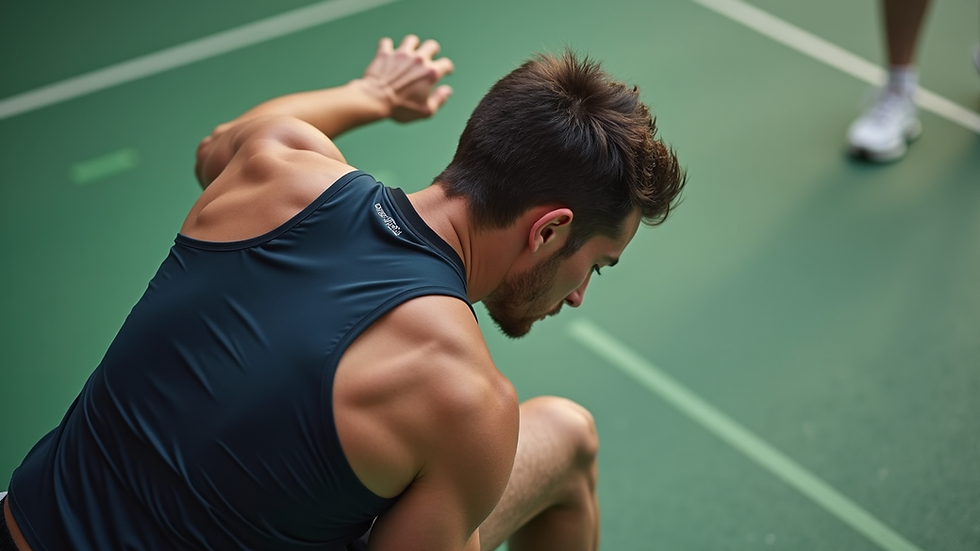
Practical Tips to Prevent Sports Injuries
To further enhance athlete safety, here are some actionable recommendations:
Regular Screening and Assessments
Periodic health checks and biomechanical assessments can identify potential risk factors early.
Cross-Training
Engaging in different types of physical activities reduces repetitive strain and improves overall fitness.
Gradual Progression
Increase training intensity and duration slowly to avoid overuse injuries.
Safe Playing Environment
Ensure playing surfaces are well-maintained and free from hazards.
Education and Awareness
Stay informed about common injuries in your sport and how to manage them.
Implementing these tips helps athletes stay resilient and ready for competition. For those looking to prevent sports injuries, integrating these strategies into daily routines is essential.
Supporting Mental and Emotional Well-being in Athlete Safety
Athlete safety is not limited to physical health. Mental and emotional well-being are equally important. Stress, anxiety, and pressure to perform can affect concentration and increase injury risk.
Encouraging open dialogue about mental health, providing access to counselling, and promoting a balanced lifestyle contribute to safer sports participation. Mindfulness techniques, relaxation exercises, and goal-setting can help athletes manage stress effectively.
Coaches and support staff should be trained to recognize signs of mental distress and offer appropriate support. Creating a positive team culture where athletes feel valued and supported enhances overall safety.
Building a Culture of Safety in Sports
Creating a culture that prioritizes athlete safety requires commitment from all stakeholders - athletes, coaches, parents, and organisations. This culture involves:
Clear Safety Policies
Establishing and enforcing rules related to equipment, conduct, and injury management.
Education Programs
Providing ongoing training on safety practices and injury prevention.
Access to Medical Support
Ensuring qualified medical personnel are available during training and events.
Encouraging Reporting
Promoting transparency about injuries and near-misses to improve safety measures.
When safety becomes a shared value, athletes can focus on their performance with confidence, knowing their well-being is a priority.
Athlete safety is a multifaceted concept that requires attention to physical, mental, and environmental factors. By understanding the basics and applying practical strategies, athletes can enjoy their sports while minimizing risks. Remember, staying informed and proactive is the best way to protect yourself and others in the sporting community.


Comments